
Preeclampsia – How to Lower Your Risk
May 27, 2025 | 2 min read
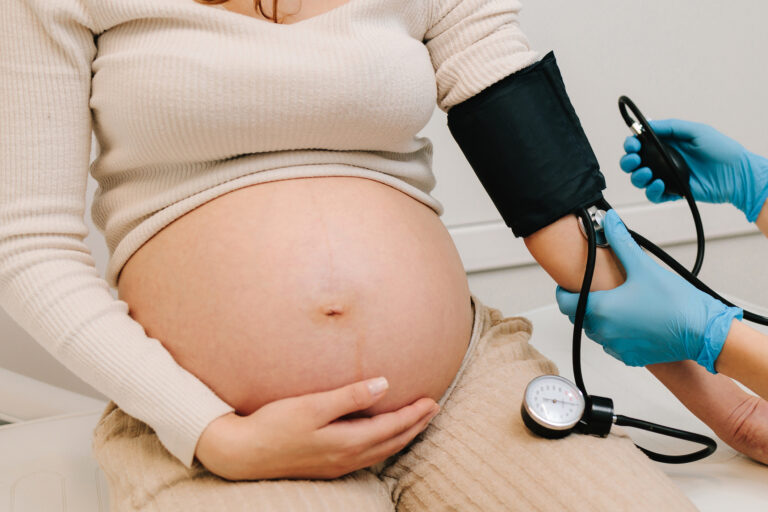
If you’re an expecting parent (or planning to be soon), it is so important to be aware of preeclampsia. Preeclampsia is a type of high blood pressure that occurs after 20 weeks of pregnancy. About 16% of women develop a high blood pressure disorder during pregnancy.
Talk to Your OB-GYN Early About Preeclampsia Prevention
Prevention is the key to avoiding preeclampsia. Talk with your OB-GYN specialist or midwife early in pregnancy about your risk to create the best prevention plan together. Several strategies can lower the risk, including:
- Take baby aspirin to lower the risk of preterm preeclampsia if you’re at high risk for developing it
- Adopt a Mediterranean diet, which focuses on plant-based foods, healthy fats, and lean proteins
- Aim for 3 to 4 sessions (30 to 60 minutes per session) of moderate exercise weekly, including aerobic and strength training
- Get at least 7 hours of sleep per night
Be sure to ask your provider before implementing any of these changes to ensure their safety.
Know the Signs: How to Recognize Preeclampsia Symptoms
Preeclampsia occurs later in pregnancy, after 20 weeks, most often in the third trimester. This is one reason we see our patients more frequently later in pregnancy. Elevated blood pressure higher than 140/90, along with the symptoms below, can help us identify preeclampsia early.
Symptoms to look for:
- Swelling of the face or hands
- Persistent headache
- Changes in vision (spots or blurry vision)
- Pain in the upper abdomen or shoulder
Partner With Your Pregnancy Team
Every expecting parent should be aware of preeclampsia and high blood pressure during pregnancy. When identified early, we can provide additional monitoring and intervene if needed to help ensure a healthy pregnancy and baby. Ask your care team if you have questions, or schedule an appointment with our experienced OBGYN team in Boulder, Longmont, and Louisville, CO.