
Skin Cancer in Colorado: Risks, Prevention, and What to Watch For
May 8, 2026 | 3 min read
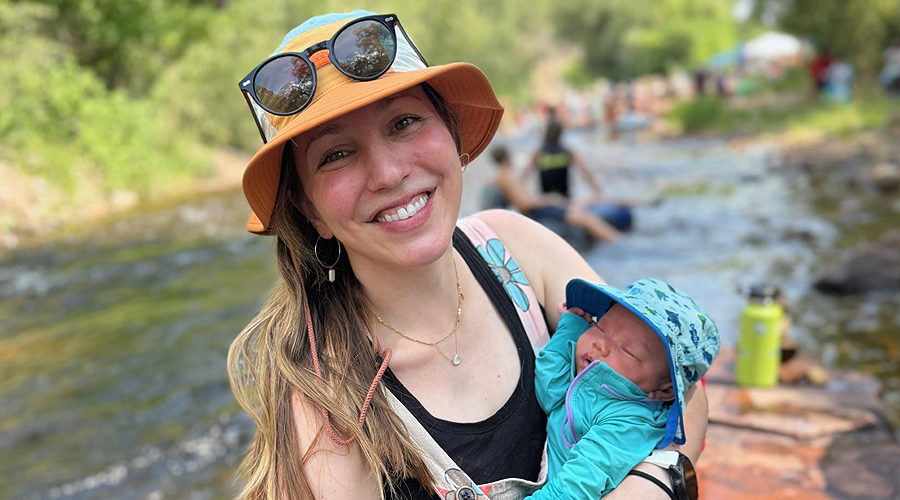
In Boulder County, Colorado, where higher elevation and year-round sunshine increase exposure to ultraviolet (UV) radiation, protecting your skin is especially important. Skin cancer is the most common form of cancer in the United States, and Colorado consistently sees higher rates due in part to environmental and lifestyle factors. Understanding your risk and knowing what to look for can help with early detection and prevention.
Why Skin Cancer Risk Is Higher in Colorado
Living at higher elevations increases exposure to ultraviolet (UV) radiation. For every 1,000 feet of elevation, UV levels rise by about 4–5%, meaning communities like Boulder County receive significantly more UV exposure than lower elevations.
Colorado also sees more than 300 days of sunshine each year, and many people spend time outdoors year-round. Activities like hiking, biking, and skiing increase cumulative sun exposure, while snow can reflect UV rays in the winter months.
Because of these factors, Colorado has one of the highest rates of skin cancer in the United States.
Types of Skin Cancer
The most common types of skin cancer include:
- Basal cell carcinoma
- Squamous cell carcinoma
These cancers are often linked to cumulative sun exposure over time. While they are less likely to spread than melanoma, they still require treatment.
Melanoma: The Most Serious Form of Skin Cancer
Melanoma is the most dangerous type of skin cancer.
A large percentage of melanoma cases are linked to ultraviolet (UV) exposure from the sun, tanning beds, and sunlamps. Over time, UV exposure can damage the skin, accelerate aging, and increase the risk of cancer.
Melanoma rates have been rising in the United States, underscoring the importance of prevention and early detection.
“Extended exposure to ultraviolet light from the sun or indoor tanning can cause long-term damage to the skin and increase the risk of skin cancer,” says Angie Riddleberger, PA-C, a dermatology practitioner at Boulder Medical Center.
Indoor Tanning and Skin Cancer Risk
Indoor tanning is one of the most preventable risk factors for melanoma. Using tanning beds can increase melanoma risk by up to 75%, particularly when use begins at a younger age. The more exposure over time, the greater the risk.
“Avoiding indoor tanning is one of the most important steps you can take to reduce your risk,” says Riddleberger.
How to Protect Your Skin
With higher UV exposure in Colorado, daily protection is important year-round.
Steps to help reduce your risk:
- Use sunscreen daily (look for zinc oxide or titanium dioxide)
- Avoid peak sun hours between 10 a.m. and 4 p.m.
- Wear sun-protective clothing, hats, and sunglasses
- Avoid indoor tanning
Check Your Skin Regularly
Early detection plays a key role in outcomes. Perform monthly self-exams and look for changes using the ABCDE rule:
- Asymmetry
- Border irregularity
- Color variation
- Diameter
- Evolving (any change over time)
“If you notice a new or changing mole, it’s always worth having it checked,” says Riddleberger.
Annual skin exams with a dermatologist are also recommended, especially for those with greater sun exposure.
Let’s Talk
If you notice a new or changing spot, it’s worth having it evaluated; skin cancers are often highly treatable when detected early. For skin checks or concerns, the dermatology team at Boulder Medical Center offers care in Boulder, Louisville, and Longmont, Colorado. Learn more and make an appointment: https://www.bouldermedicalcenter.com/departments/dermatology/
Resources
- Colorado Health Institute
Summer Fun Brings Elevated Skin Cancer Risk for Coloradans
https://impactmelanoma.org/embrace-the-outdoors-safely-being-sun-safe-in-colorado/ - University of Colorado – Anschutz
Sun Safe Year Round
https://medschool.cuanschutz.edu/colorado-cancer-center/community/CommunityOutreachEngagement/projects-and-activities/sun-safe-year-round?utm_source=chatgpt.com