
What is Food Allergy? Symptoms, Causes & Common Triggers
July 26, 2026 | 3 min read
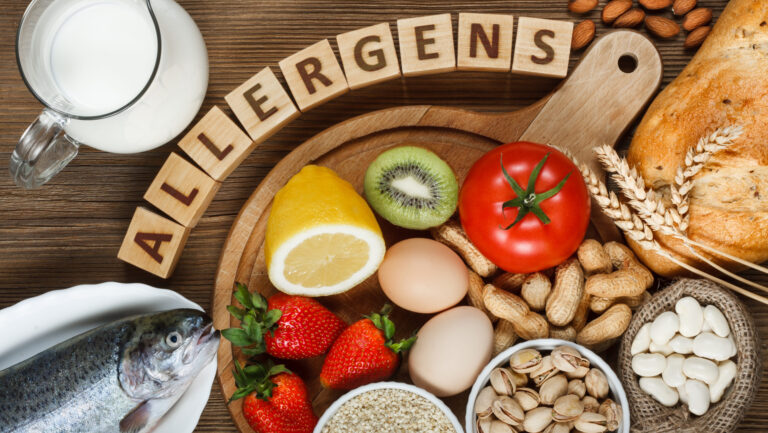
Katherine McCormack, MD, a board-certified allergist at Boulder Medical Center in Louisville, Colorado, explains what food allergies are, common symptoms and triggers, and how they differ from other types of food reactions.
What Is a Food Allergy?
Food allergies result from an abnormal immune response to foods. With an IgE-mediated food allergy, the body produces antibodies called immunoglobulin E (IgE) that recognize a specific food or foods as foreign.
These antibodies attach to cells throughout the body, including in the skin, lungs, and gastrointestinal (GI) tract. When you eat a food you are allergic to, these cells release histamine and other chemicals that cause allergy symptoms.
What Are the Symptoms of a Food Allergy?
Food allergy symptoms often begin within minutes of eating the food, although they can occur up to two hours later. Symptoms may include:
- Hives or itchy skin
- Swelling
- Nausea
- Vomiting
- Diarrhea
- Coughing
- Wheezing
- In some cases, a food allergy can cause anaphylaxis, a severe and potentially life-threatening allergic reaction.
Rarely, a person may experience a biphasic reaction, in which symptoms return after the initial allergic reaction has improved. A second reaction may occur at least one hour after the first.
What Foods Cause the Most Allergic Reactions?
More than 90 percent of food allergies are caused by nine foods:
- Milk
- Egg
- Wheat
- Soy
- Peanut
- Tree nuts
- Finned fish
- Shellfish
- Sesame
In some people, an allergy to one food within a food family, such as tree nuts or seafood, can increase the likelihood of being allergic to other foods in the same family.
Are All Food Allergic Reactions the Same?
Not all food-related allergic conditions follow the pattern of a typical IgE-mediated food allergy. Some conditions cause different symptoms or have a delayed reaction.
Alpha-Gal Syndrome and Mammalian Meat Allergy
A unique allergy to mammalian meat can cause symptoms four or more hours after eating. This condition, known as alpha-gal syndrome, can develop after a bite from the Lone Star tick, which is not native to Colorado.
Food Protein-Induced Enterocolitis Syndrome (FPIES)
Food protein-induced enterocolitis syndrome (FPIES) is characterized by delayed, often profuse vomiting after eating a trigger food. FPIES occurs most commonly in infants and is rarer in adults.
Eosinophilic Esophagitis (EoE)
Eosinophilic esophagitis (EoE) is inflammation of the esophagus that can be triggered or worsened by specific foods.
What Is Oral Allergy Syndrome (Pollen Food Syndrome)?
Some people with pollen allergies experience symptoms after eating certain raw or fresh fruits and vegetables because proteins in the foods resemble proteins found in pollen. This is known as pollen food syndrome, or oral allergy syndrome.
Symptoms typically affect the mouth and throat and may include an itchy mouth, tongue, or throat. For example, someone with a ragweed allergy may experience an itchy mouth after eating melon.
People with pollen food syndrome can often tolerate the same fruits and vegetables when they are cooked.
Let’s Talk
If you or your child has had a concerning reaction to food, consider talking with an allergist. An allergist can review your medical history, including the foods involved, symptoms and timing of the reaction, how often you’ve eaten the food, and any other allergic conditions. This information can help determine whether further evaluation or food allergy testing may be appropriate.
Boulder Medical Center’s board-certified allergy specialists provide food allergy evaluation, testing, and treatment for children and adults in Boulder and Louisville, Colorado.