
Diabetic Eye Exams: Who Needs One and When
November 18, 2026 | 5 min read
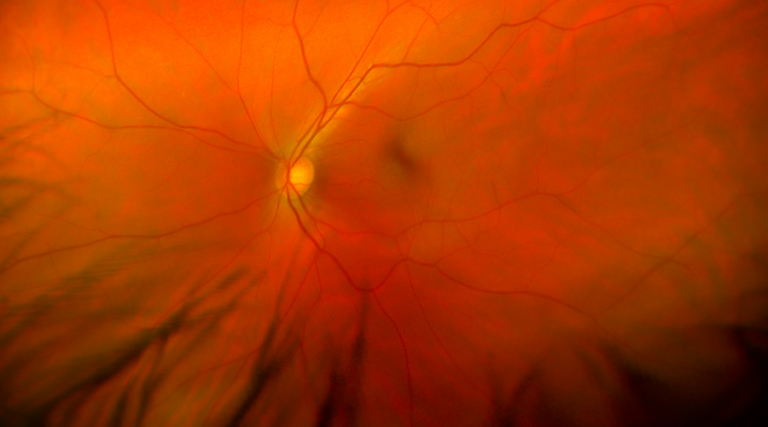
If you have diabetes, you need regular dilated eye exams, even if your vision seems fine. Diabetic retinopathy (eye damage caused by diabetes) can be present with normal vision and no symptoms. Most people with diabetes should be examined once a year. People with type 2 diabetes should have their first exam at diagnosis, and people with type 1 diabetes within five years of onset.
Your primary care clinician and/or your endocrinologist play an essential role in preventing diabetes-related vision loss. Patients may have diabetic retinopathy despite normal visual acuity and no ocular symptoms. A comprehensive dilated eye examination helps identify disease and establish appropriate monitoring before vision is affected.
“A patient does not need to report vision changes to benefit from a diabetic eye exam. Building eye care into the diabetes management plan helps us identify damage to the eyes from diabetes early and intervene on a timely basis,” says Dr. Wu, ophthalmologist at Boulder Medical Center.
When Should You Get Your First Diabetic Eye Exam?
For adults with diabetes, the following timing provides a starting point:
|
If you have… |
Get your first eye exam… |
|---|---|
| Type 2 diabetes | At diagnosis. |
| Type 1 diabetes | Within five years of diabetes onset. |
| Type 1 or type 2 diabetes, and are pregnant or planning pregnancy | Before pregnancy when possible, or during the first trimester. Further monitoring depends on retinal findings. |
| Diabetes, but you’re not sure when you were last screened, or your exam is overdue | As soon as you can, to establish your current retinal status and follow-up plan. |
What about children and teens? Children and adolescents have separate screening recommendations based on diabetes type, age, and disease duration. The BMC Ophthalmology team sees patients 10 and older. Please contact us with specific questions.
What about gestational diabetes? Gestational diabetes alone generally does not require diabetic retinopathy screening during pregnancy.
How Often Should You Have a Diabetic Eye Exam?
Annual examinations are typical. If you have had no retinopathy on one or more annual examinations and your glycemic indicators (such as your A1C) are within your goal range, your eye care clinician may consider screening every one to two years.
If you have established retinopathy, you generally need an exam at least annually, with shorter intervals if the disease is progressing or sight-threatening.
New symptoms always matter. A previously normal exam should not delay evaluation of new vision symptoms. Contact your eye care clinician if you notice a change.
What Happens During a Diabetic Eye Exam?
A comprehensive diabetic eye exam assesses visual acuity (how clearly you see), intraocular pressure (pressure inside the eye), the front structures of the eye, and the retina through dilated pupils. Additional testing depends on the findings of the dilated exam.
What to expect from dilation: Dilation eye drops given in the eye clinic make near vision blurrier and the eyes more sensitive to light. Distance vision is preserved, and driving is considered safe. The effects last 4–6 hours, and wearing sunglasses can improve comfort after the exam.
What to Bring to Your Appointment
Your primary care clinician or endocrinologist will usually send a referral. To help the eye clinic prepare and keep your care connected, make sure the following information is available, either through your referral or from you:
- Your diabetes type, whether you use insulin (yes or no), approximate date of diagnosis, and most recent A1C with date.
- Any current vision symptoms, including when they started, whether they’re getting worse, and which eye is affected.
- Previous eye exam reports, retinal screening results, or images, if you have them.
- Any history of retinopathy, macular edema, retinal injections, laser treatment, or eye surgery.
- Other relevant conditions, including high blood pressure, kidney disease, and pregnancy.
Protecting Your Vision Beyond the Exam
Continued management of blood glucose, blood pressure, and cholesterol levels remains important alongside eye monitoring and treatment.
Frequently Asked Questions
Can I have diabetic eye disease and not know it?
Yes. Patients may have diabetic retinopathy despite normal visual acuity and no ocular symptoms.
When should I have my first eye exam if I have type 2 diabetes?
At diagnosis.
When should I have my first eye exam if I have type 1 diabetes?
Within five years of diabetes onset.
How often do I need a diabetic eye exam?
Annual examinations are typical. If you have had no retinopathy on one or more annual exams and your glycemic indicators are within your goal range, your eye care clinician may consider screening every one to two years. If you have retinopathy, you generally need an exam at least annually.
Is it safe to drive after a dilated eye exam?
Dilation blurs near vision and increases light sensitivity, but distance vision is preserved, and driving is considered safe. Effects last 4–6 hours, and sunglasses can help.
Do I need an eye exam if I’m pregnant and have diabetes?
If you had type 1 or type 2 diabetes before pregnancy, an exam is recommended before pregnancy when possible, or during the first trimester. Gestational diabetes alone generally does not require diabetic retinopathy screening.
Let’s Talk
The Ophthalmology group at Boulder Medical Center provides complete eye care for adults and children ages 10 and over. Visit our Ophthalmology page and get to know our team, learn about our services, and make an appointment.
Resources
- American Diabetes Association: Standards of Care in Diabetes – 2026, Section 12. Primary clinical reference for screening timing, follow-up intervals, pregnancy considerations, and findings that warrant prompt referral.
- National Eye Institute: Diabetic Retinopathy Patient-friendly information about symptoms, diagnosis, risk factors, and treatment.
- National Eye Institute: Get a Dilated Eye Exam. Explains the examination and what patients can expect.