
Healthy Alcohol Consumption during the Holidays
December 7, 2021 | 2 min read
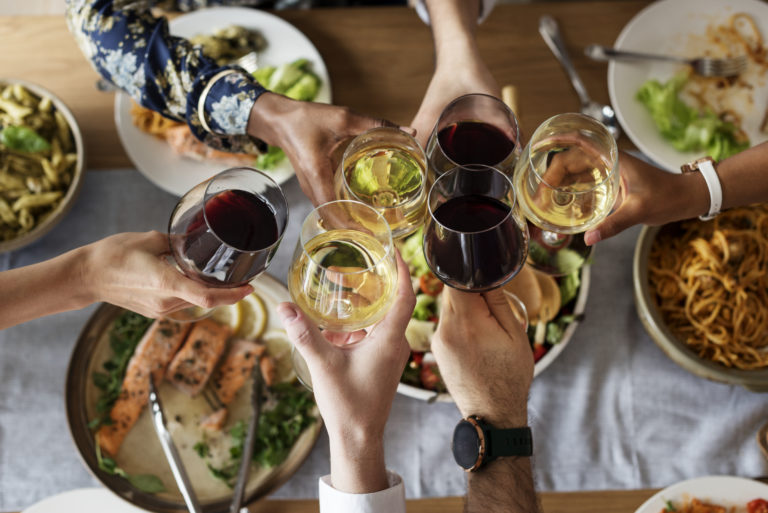
Our primary care doctors receive numerous questions about healthy alcohol use. Initial research shows that alcohol consumption has increased nationally during the COVID pandemic. Many of my patients tell me they have depended on virtual or outdoor cocktail hours to keep socially connected during COVID-19. As we enter the holiday season, it is a great time to review alcohol use guidelines and the potential health impacts of excess consumption.
The National Institute on Alcohol Abuse and Alcoholism (NIAAA) in the United States recommends that men under 65 years of age consume no more than 14 standard drinks a week and no more than four standard drinks in a day to prevent an increase in health risks. Women and adults over 65, recommend no more than seven drinks a week and no more than three drinks in a day. They define a standard drink as 5 ounces of wine, 12 ounces of beer, or 1.5 ounces of proof spirits.
But why does this matter? Drinking more than this consistently has been shown to increase a patient’s risk of developing an alcohol use disorder as well as other health risks.
These include (but are not limited to):
- Trauma
- Worsening of Anxiety and Depression
- Sleep Disturbances
- Fatigue
- Hypertension
- Elevated Blood Sugar
- Worsening of Cardiac Issues
- Bone Marrow Suppression
- Gastrointestinal Symptoms
- Weight Gain
- Liver Disease
As we go into the holiday season and begin a new year we encourage you to reflect on your alcohol habits. Are you within the recommended use guidelines? Are you using alcohol to cope? Do you have health goals that are being impeded by your alcohol intake? Start by cutting back your use to a healthy range or even abstaining for some time. If you find that this is a problem then please seek help from your primary care doctor or contact the Colorado alcohol and drug abuse hotline at 866-235-4572
Resources: