
Heart Attack Symptoms: It’s Not Always Chest Pain
February 26, 2026 | 3 min read
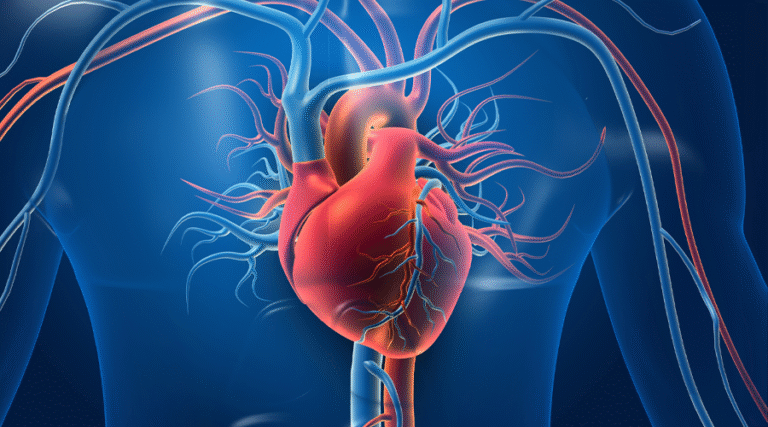
When many people think of a heart attack, they picture sudden, severe chest pain. While chest discomfort is the most common symptom, heart attack warning signs can affect many parts of the body and may be easier to overlook than you think.
Recognizing these symptoms and acting quickly can save your life and prevent permanent heart damage.
Beyond Chest Pain: Other Warning Signs
Not everyone who has a heart attack experiences intense chest pain. Women, older adults, and people with diabetes are more likely to have mild symptoms or none at all.
Heart attack symptoms may include:
- Discomfort in the chest, arms, shoulders, neck, jaw, or upper back. Instead of sharp pain, it may feel like pressure, fullness, squeezing, or heaviness. Some describe it as a weight sitting on the chest or arms.
- Fatigue or unusual tiredness. Sudden, unexplained exhaustion, especially if it feels different from normal fatigue, can be an early warning sign.
- Shortness of breath. You may feel like you can’t catch your breath. This can occur with or without chest discomfort.
- Feeling dizzy, anxious, or lightheaded. Reduced blood flow to the brain can cause faintness or even loss of consciousness.
- Heart palpitations. A racing heartbeat or feeling like your heart is skipping beats may accompany other symptoms.
- Nausea, indigestion, or stomach discomfort. Heart attacks can mimic heartburn or stomach flu. Women are more likely to experience these symptoms, but men can as well.
- Cold sweats. Sudden, severe sweating without exertion can be a red flag.
Pain often lasts 20 minutes or longer, though it may also come and go. While symptoms frequently occur on the left side of the body, they can also radiate to the right side.
Call 911 Immediately
- If you or someone near you experiences symptoms of a heart attack, call 911 right away.
- Emergency medical services (EMS) can begin treatment immediately and carry life-saving equipment, including defibrillators. Arriving by ambulance often leads to faster care in the emergency department.
- If someone’s heart stops before EMS arrives, begin CPR and use an AED if available.
Heart attacks don’t always look dramatic. Sometimes the symptoms are subtle. If something feels wrong, especially if it’s new, severe, or unusual, trust your instincts and seek emergency care.
Let’s Talk
Prevention starts with awareness. Our internal medicine and family medicine providers emphasize proactive cardiovascular risk assessment, early screening, and preventive care. Managing blood pressure, cholesterol, diabetes, weight, and lifestyle factors significantly reduces the risk of a heart attack. If you have questions about your heart health or want to understand your cardiovascular risk, schedule an appointment with your primary care provider.