
Teen Acne Survival Kit: A Guide for Clearer Skin
February 28, 2026 | 11 min read
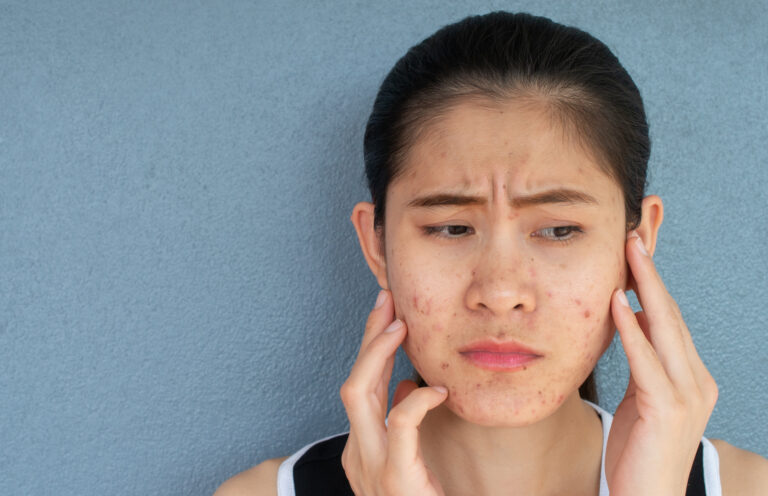
Acne is one of the most common skin conditions affecting children and teens, with nearly 90% of adolescents experiencing breakouts. While it often begins between ages 10 and 13, acne can persist well into adulthood. Many teens and preteens don’t bring up acne to their parents or doctor, believing it’s something they must endure.
The good news is that acne is highly treatable, and pediatric providers at Boulder Medical Center are here to help. From personalized skincare guidance to prescription treatments, our team offers trusted, effective solutions for every stage of acne.
First, a few notes:
- In this article, the terms “male” and “female” refer to the sex assigned at birth (or the physical traits one was born with). Gender identity also matters when it comes to acne treatment. Your doctor needs to know your child’s gender identity to prescribe the best treatment.
- The products and medications mentioned in this article are included solely for informational purposes, and the authors have no financial affiliations with any brands.
- The information provided in this blog is for general informational purposes only and is not intended as a substitute for professional medical advice, diagnosis, or treatment. Always seek the advice of your physician or other qualified health provider regarding a medical condition. Never disregard or delay seeking professional medical advice because of something you have read on this blog. If you think you may have a medical emergency, call 911 immediately.
 What Causes Acne?
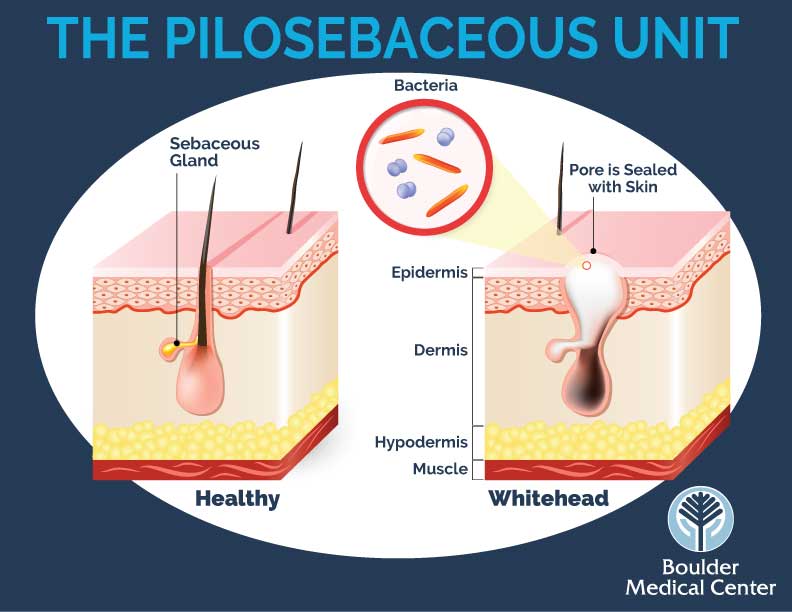
Acne forms when the pilosebaceous unit pores clog with oil, dead skin cells, and bacteria. Three main factors contribute to this process: hormones, skin cell buildup, and bacteria.
Hormones
Hormonal changes stimulate oil (sebum) production in the skin. Testosterone, present in both males and females, is a major contributor. Stress and menstrual cycles can also lead to hormone fluctuations, triggering breakouts. Hormone-aware treatments may be beneficial for patients whose acne follows a cyclical or stress-related pattern.
Slow Skin Cell Turnover
This condition can cause dead skin cells to create a keratin plug in the pilosebaceous unit. Imagine a blocked oil well. It can’t reach the skin’s surface, so it accumulates deep in the pilosebaceous unit and can form whiteheads. Or, oil can build up pressure and explode like a volcano. If the plug explodes deep down, cysts can form. If it pops toward the surface, you get a pus-filled bump (the classic pimple); a blackhead forms when oil reaches the surface and oxidizes, darkening the color. Over-the-counter pore strips can remove a blackhead’s dark color for a couple of days, but the oil re-oxidizes, so this isn’t a great long-term solution (though it might be handy before prom). Many acne medications work by increasing skin cell turnover to prevent plugs from forming in the first place.
Bacteria
A common skin bacterium called Propionibacterium acnes (P. acnes) contributes to inflammation and worsens acne. Many medications aim to reduce this bacterium on the skin.
Does Diet Affect Acne?
While chocolate was once blamed, modern research shows high-glycemic diets and excess sugar are more likely to trigger breakouts. These foods can increase inflammation, worsening acne. To support clear skin, teens and preteens are encouraged to:
- Limit sugary snacks and drinks
- Eat fruits, vegetables, and lean proteins
- Choose slow-digesting carbs like whole grains, lentils, and sweet potatoes
Daily Skincare for Teen Acne: Step-by-Step Guide
Morning Routine
- Cleanse. When you enter a drugstore aisle, you will see many facial cleansers targeting acne. These products may have benzoyl peroxide or salicylic acid. Unfortunately, these cleansers stay on your face for only about 5 seconds before you rinse them off andwon’tt do much to help your skin. Instead, try a gentle skin cleanser like CeraVe, Cetaphil liquid cleansers, or Dove soap with no fragrance. If your face isn’t too oily in the morning, you may not need a cleanser. You can splash your face with water to wake up.
- Apply treatment. If prescribed or recommended, apply medication as directed.
- Moisturize. If your skin is dry. Although everyone has different skin conditions, skin is typically quite oily during our teens, and we may not need a moisturizer. However, some acne medicines can dry out your skin. Or maybe you live in a dry climate like Colorado and need extra moisture. You may need to experiment. I recommend a non-comedogenic moisturizer, meaning it won’t clog your pores. Here are some non-comedogenic moisturizers:
- CeraVe PM Facial Moisturizing Lotion
- CeraVe Moisturizing Cream
- CeraVe Ultralight Moisturizing Face Gel
- Cetaphil Moisturizing Cream
- Paula’s Choice Clear Oil Free Moisturizer
- Other: If you want to try something natural, a few drops of hempseed or argan oil are considered non-comedogenic.
- Apply sunscreen (at least SPF 30). The earlier you start using a daily face sunscreen, the better. It prevents skin cancer, wrinkles, and dark spots later in life. In addition, most acne medications make your skin more sensitive to the sun, so sunscreen is essential. A zinc-based, non-comedogenic sunscreen is ideal for teens with acne. Zinc is safer for our bodies and the environment. Ideas for products are:
- CeraVe Hydrating Mineral Sunscreen SPF 30 Sheer Tint
- CeraVe Hydrating Mineral Sunscreen for Face SPF 50
- Cetaphil Sun 30 Sheer Mineral Sunscreen
- Cetaphil Sun 50 Sheer Mineral Sunscreen
- Differin oil-absorbing moisturizer
- Eucerin Sensitive Tinted Mineral Face Sunscreen SPF 35
- Tower 28 SPF 30: comes in lots of different tints and has excellent natural ingredients
- Neutrogena Sheer Zinc Face SPF 50
- SkinCeuticals Physical Fusion UV Defense SPF 50 Mineral Sunscreen
Evening Routine
- Cleanse again to remove oil, dirt, and bacteria
- Apply acne treatment as indicated by your regimen
- Moisturize if needed to balance dryness or irritation
The Basics of Acne Treatment
Acne creams and gels are formulated to help prevent future breakouts, not to treat existing pimples. To be effective, use these products consistently and apply them to your entire face, not just individual blemishes. Spot treatments won’t stop new pimples from forming, but regular, full-face application can significantly reduce future breakouts over time.
Sadly, no acne treatment offers instant gratification. Most treatments take 2-3 months to work. Be patient—it is worth it! However, if home treatments don’t work, talk to your doctor about trying something stronger or different.
Mild Acne
Benzoyl Peroxide
An over-the-counter benzoyl peroxide product (2.5%, 5%, or 10%) can be a good starting point for those with just a few pimples or blackheads. Despite the varying strengths, studies show they are generally equally effective. Benzoyl peroxide comes in both creams and gels—gels tend to work better for oily skin, while creams suit dry skin better. This medication breaks down dead skin cells and offers natural antibacterial properties against P. acnes bacteria. Benzoyl peroxide can bleach clothing and bedding, so white pillowcases and sleepwear are recommended. If dryness or irritation occurs, you may want to apply it every other night or add a non-comedogenic moisturizer to reduce side effects while maintaining effectiveness.
Azaleic Acid
Azelaic acid (15–20% cream or gel) is a well-tolerated, naturally derived option for treating mild to moderate acne. Higher-strength formulations typically require a prescription. As a breakdown product of whole grains like wheat, azelaic acid is already present in small amounts in the body. It offers antibacterial benefits like benzoyl peroxide, but individuals with sensitive skin may tolerate it better.
Topical Retinoids
If acne is more severe or benzoyl peroxide alone is ineffective, a topical retinoid may be recommended. Retinoids are highly effective acne treatments that increase skin cell turnover and prevent clogged pores.
The most well-known retinoid is tretinoin (brand name Retin-A), which is available by prescription. It has three strengths: 0.025%, 0.05%, and 0.1%. Starting with a lower strength is often advised to help the skin adjust and reduce the risk of dryness or irritation.
Adapalene is another over-the-counter retinoid. While it may not be as effective, it can be a valuable part of an acne care routine when combined with benzoyl peroxide. To avoid irritation and maximize results, apply these products at different times—benzoyl peroxide in the morning and Adapalene or tretinoin at night. If you experience dryness, use the retinoid every other night or mix it with a non-comedogenic moisturizer.
Apply only a small, pea-sized amount of retinoid to your entire face, and avoid sensitive areas such as the corners of the eyes, nose, and mouth. Applying too much—especially at first—is a common mistake that can cause excessive dryness and irritation.
Some prescription combination treatments simplify the routine by blending a retinoid with benzoyl peroxide in a single formula:
- Twyneo: benzoyl peroxide 3% + tretinoin 0.1%
- Epiduo Forte: benzoyl peroxide 2.5% + Adapalene 0.3%
These formulations are designed to be used together safely; apply benzoyl peroxide in the morning and the retinoid at night to avoid interactions.
For acne on the back, chest, or more resistant areas, more potent prescription retinoids may be considered:
- Tazarotene (Tazorac) is a potent option, especially effective for body acne.
- Trifarotene (Aklief) is a newer retinoid approved for use on the face, chest, and back. It is generally well tolerated and may be less irritating than Tazorac.
Moderate to Severe Acne
Medical providers generally use fewer antibiotics to treat acne to avoid antibiotic resistance. However, topical antibiotics (along with benzoyl peroxide) treat acne. These include clindamycin, minocycline, sulfacetamide, and dapsone. Dapsone can be effective for susceptible skin and for those who can’t tolerate retinoids.
For many red, pus-filled bumps, you can use an oral antibiotic (like doxycycline or minocycline) along with a retinoid at low doses for no more than 2-3 months. Once your skin is improving, you can transition back to creams only. If your acne worsens again when you stop the antibiotic, hormonal medications or Isotretinoin (formerly brand name Accutane) may be effective next steps.
Hormone therapies can work well for a specific type of acne called papular acne — lots of red bumps. Some of these are creams, and some are pills. Both males and females can use the creams, but only females can use the pills.
Creams include clascoterone (brand name Winlevi), which decreases sebum production. It works very well, but unfortunately, it can be very expensive. Spironolactone cream is similar and less expensive, but only specialty or compounding pharmacies can dispense it.
Oral hormones (pills) can only be taken by females. These include spironolactone, which can be effective for girls who may have irregular periods and acne (or PCOS). This is a diuretic, meaning it makes you urinate more frequently, so you need to stay well-hydrated while taking it. It can also increase potassium levels, so eat bananas and other high-potassium foods in moderation. Most girls who take this see significant improvement. One-third of the girls who take it clear their acne completely.
Another hormone therapy is oral contraceptive pills. The one that works best for acne is Drospirenone: Ethinyl Estradiol tablets (brand name Yaz or Yasmin).
Treatments for Severe Acne
If you have very deep, large cysts, the above therapies probably won’t be effective. You may need to see a dermatologist who may prescribe Isotretinoin (formerly Accutane). This highly effective medication is a pill to be taken for five months.
Isotretinoin can have rare but severe side effects, so it must be monitored closely. It’s best to get blood tests before starting (and while taking it) to monitor for side effects. Females need to get regular pregnancy tests and be on two types of birth control if they are sexually active, because Isotretinoin can cause severe congenital disabilities in the fetus of a pregnant person.
Side effects of Isotretinoin include major sun sensitivity, so daily sunscreen is essential. It usually causes dry, chapped skin of the lips and nose that requires frequent ChapStick application. It sometimes causes dryness of the skin around the anus and even rectal bleeding. A rare but severe side effect is pancreatitis. Some individuals can have emotional side effects and report a worsened mood, but the vast majority feel much better emotionally because the acne goes away so quickly.
Let’s Talk
Your teen doesn’t need to suffer in silence if they have acne! It is a well-understood skin condition that is very treatable. Make an appointment with our Pediatric Team today!
References
- Ashton R, et al. Acne Vulgaris in the Pediatric Patient. Pediatr Rev. 1019: 40 (11): 577-589
- Zaenglein AL, et al. Guidelines of care for managing acne vulgaris [published correction appears in J. Am Acad Dermatol. 2020 Jun: 82 (6): 1576]. J Am Aced Dermatol. 2016; 74 (5): 945-73.e33
- Peds Rap podcast Pediatric Acne Part 1 and Part 2 with Parul Bhatia, MA and Karen Sherwood, MD